—Here's Why Zone Control Matters More Than Ever
For decades, the standard residential HVAC system in much of the United States followed a familiar formula: a natural gas furnace for heating and a central air conditioner for cooling. This "gas/electric" combination became the default choice for millions of homes because it was reliable, relatively inexpensive to install, and well suited to many climates.
Today, however, the market is changing rapidly.

Heat pumps are no longer a niche product reserved for mild climates. They have become one of the fastest-growing segments of the HVAC industry, and recent shipment data shows just how significant that shift has become. According to the Air-Conditioning, Heating, and Refrigeration Institute (AHRI), manufacturers shipped approximately 3.6 million air-source heat pumps in 2025 compared to roughly 3.2 million gas furnaces, meaning heat pumps outsold gas furnaces by about 12%. While heat pumps first overtook gas furnace shipments earlier this decade, the gap continues to widen as technology improves and consumer demand grows.
For homeowners, contractors, and HVAC professionals, this isn't simply a change in equipment—it represents a shift in how homes are designed, controlled, and optimized.
One technology that becomes increasingly valuable alongside modern heat pumps is zoning.
Why Heat Pumps Are Winning
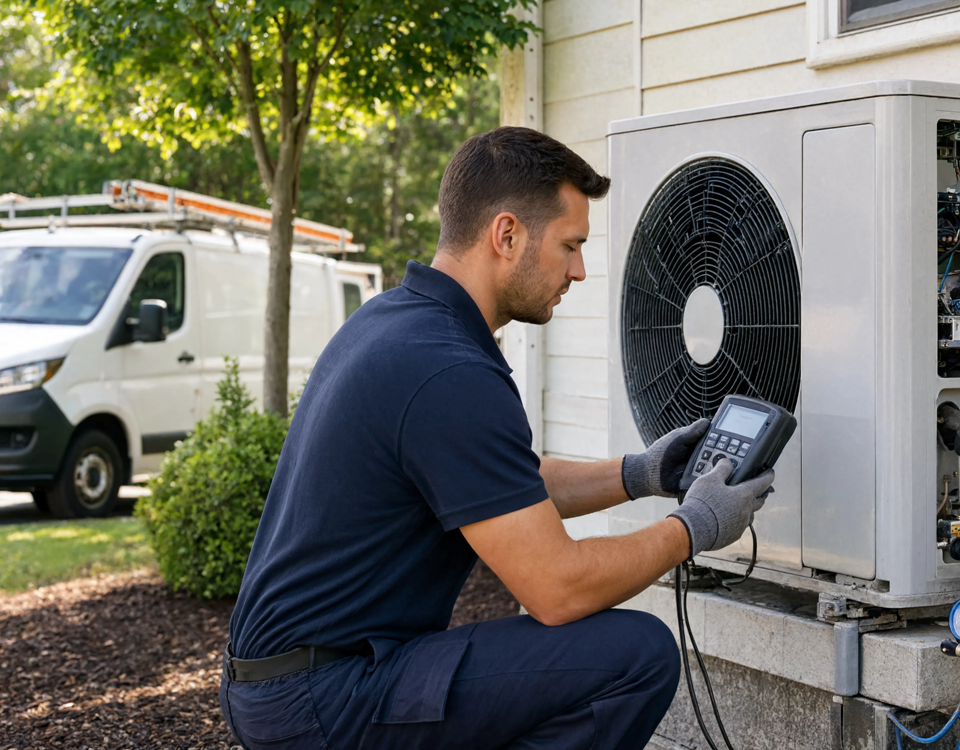
Several factors have driven the rapid adoption of heat pumps throughout the United States.
1. One System for Heating and Cooling
Unlike a traditional furnace that only provides heat, a heat pump performs both heating and cooling.
During summer it functions just like an air conditioner. During winter it reverses the refrigeration cycle, extracting heat from the outdoor air—even when temperatures are well below freezing—and delivering it inside the home.
Homeowners appreciate having one integrated comfort system instead of separate heating and cooling equipment.
2. Dramatic Efficiency Improvements
The biggest misconception about heat pumps is that they only work in warm climates.
That may have been true twenty years ago.
Modern inverter-driven compressors, improved refrigerants, and advanced defrost controls have transformed today's heat pumps. Many premium systems now maintain excellent performance well below 0°F, making them practical across much of the United States.
Because heat pumps move heat rather than create it through combustion or electric resistance, they can deliver two to four units of heat for every unit of electricity consumed, making them remarkably efficient under many operating conditions.
3. Lower Operating Costs
In many regions, homeowners can reduce annual heating costs by switching from electric resistance heat or older HVAC equipment to a modern heat pump.
Actual savings depend on:
Local utility rates
Winter temperatures
Home insulation
Equipment sizing
Installation quality
But overall, rising efficiency has made heat pumps an attractive long-term investment.
4. Better Comfort
Traditional furnaces typically cycle between full heat and completely off.
Modern variable-speed heat pumps often operate almost continuously at lower capacities.
The result is:
More consistent temperatures
Better humidity control
Reduced temperature swings
Quieter operation
Ironically, this smoother operation also exposes one of the biggest weaknesses in many homes:
Poor air distribution.
The Comfort Problem Isn't Usually the Heat Pump
Many homeowners blame their HVAC equipment when one room is too hot while another is too cold.
In reality, the equipment often isn't the problem.
The ductwork is.
Even the most advanced inverter-driven heat pump cannot solve uneven airflow throughout a house.
Common complaints include:
Upstairs bedrooms are too warm.
Bonus rooms never reach the thermostat setting.
South-facing rooms overheat.
Finished basements stay cold.
Home offices become uncomfortable during the afternoon.
Installing a larger heat pump usually makes these problems worse.
The real solution is controlling where conditioned air goes.
That's exactly what zoning accomplishes.
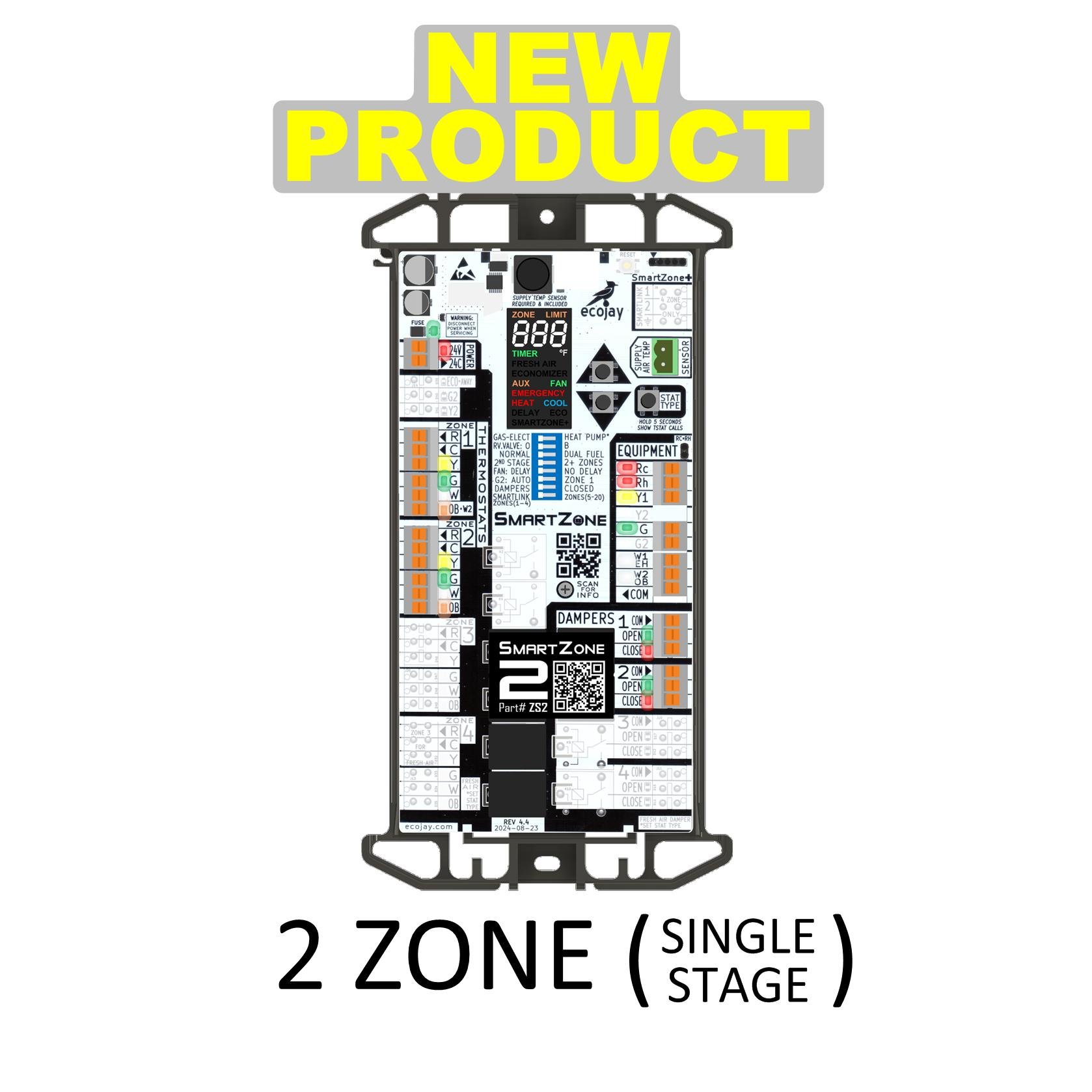
Full-featured SINGLE-stage 2-zone controller on a budget
Simplest version of SmartZone ever
2 ZONE control - (Replaces SmartZone-2L for Single Stage)
Gas, Electric or Heat Pump
1 stage COOL <> 2 stage HEAT

NEW PRODUCT - 2025 - Shipping now!
SmartZone-3X 3.0 is the newest addition to the SmartZone family of zone controllers. It has been engineered to make installation easier than ever before. This product will replace the SmartZone-2X, giving our customers and extra zone. For those familiar with SmartZone already, you will see the similarities but with improvements including upgraded display and the addition of built-in FRESH AIR and ECONOMIZER controls.
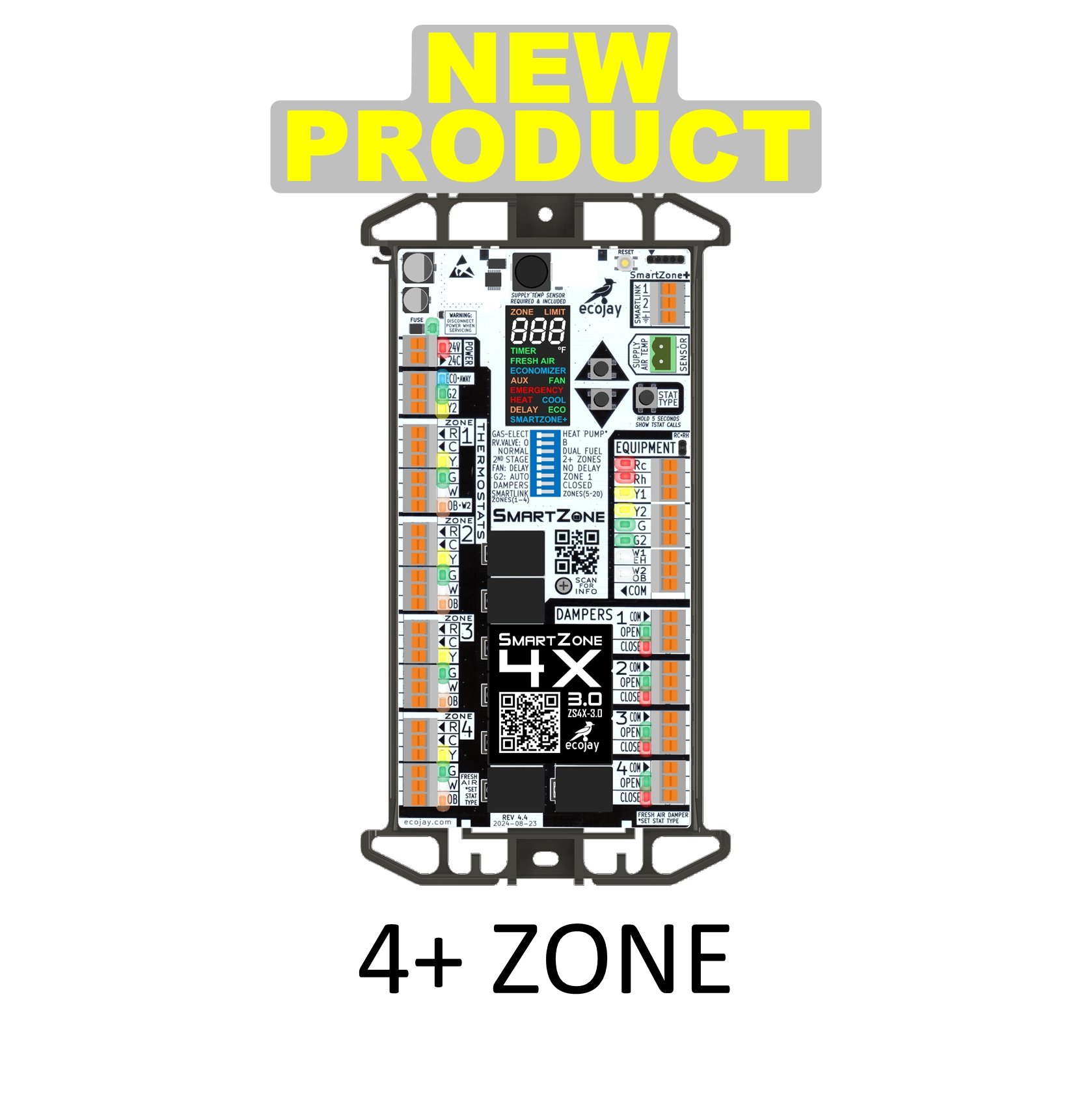
4-Zone Controller
NEW for 2025 - SmartZone better than ever
Replace almost any brand existing zone control ... use with any thermostats (including WiFi).
Control heating and cooling comfort room by room.
EASY INSTALLATION - no screwdriver or voltmeter required
UNIVERSAL COMPATIBILITY - drop in replacement for many models (see list in Additional Info)
BEST FEATURES - built in Fresh Air Control, expansion port up to 20 Zones
SUPPLY AIR TEMP SENSOR - included for Smart-Staging & equipment protection
DESIGNED & ASSEMBLED IN THE USA
Why Zoning Makes Heat Pumps Even Better
A zoning system divides a home's ductwork into independently controlled areas.
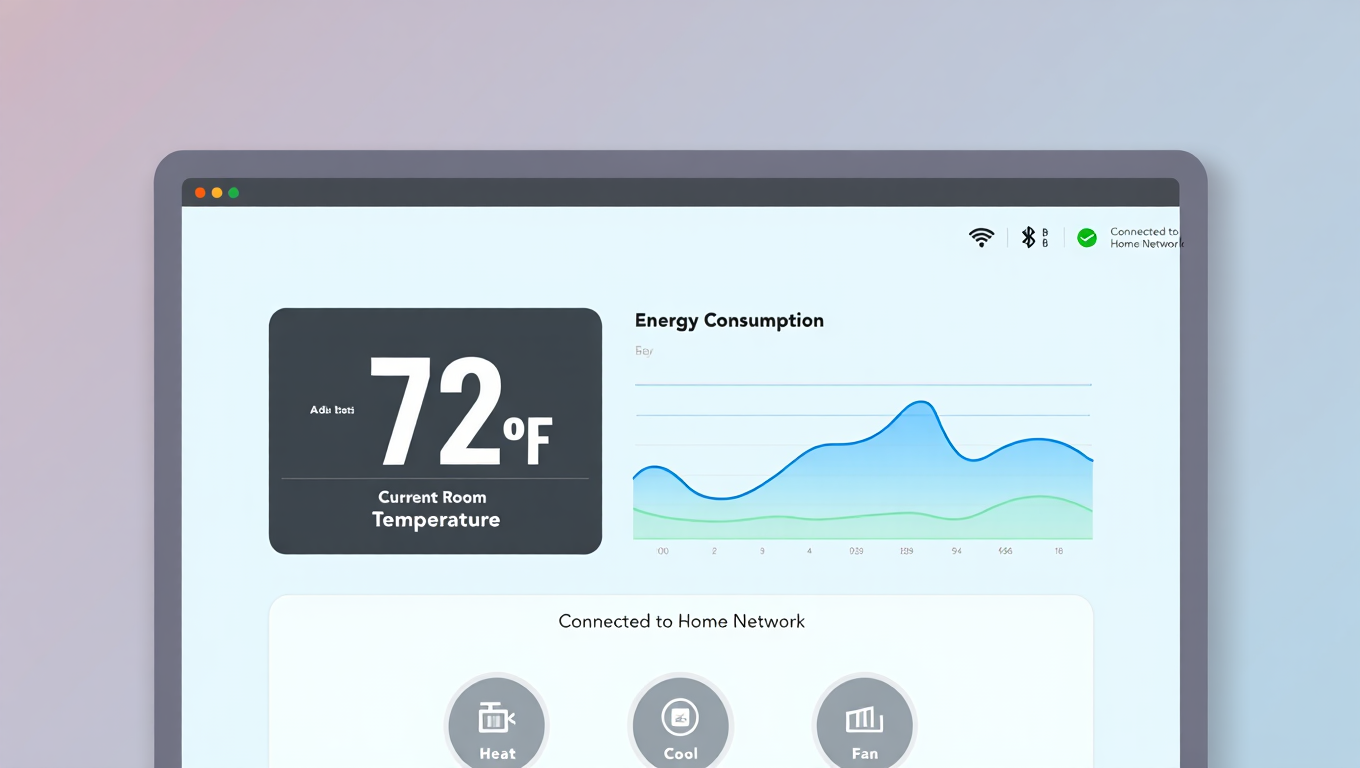
Each zone has its own thermostat.
Motorized dampers regulate airflow so the system sends conditioned air only where it's needed.
Instead of treating the entire home as one giant room, zoning allows every area to receive individualized comfort.
This approach offers several advantages.
More Even Temperatures
Instead of overheating one portion of the house to satisfy another, each zone receives only the heating or cooling it requires.
Longer, More Efficient Run Times
Heat pumps perform best during longer operating cycles.
Rather than frequent starts and stops, zoning helps maintain steadier operation while reducing unnecessary conditioning of unoccupied spaces.
Reduced Energy Waste
Why cool an empty guest room?
Why heat unused bedrooms during the day?
Zoning allows homeowners to condition only occupied areas.
Better Humidity Control
Because heat pumps often operate longer, they remove moisture more effectively during cooling season.
When combined with intelligent zoning, homeowners experience greater comfort even at slightly higher thermostat settings.

SmartZone Was Designed With Modern Heat Pumps in Mind
As heat pump adoption continues to rise, HVAC controls have become increasingly important.
The controller—not just the equipment—determines how intelligently the entire system operates.
The SmartZone family of zone controllers from Ecojay was designed specifically to maximize the performance of modern HVAC equipment, including today's increasingly popular heat pumps.
Rather than simply opening and closing dampers, SmartZone manages system operation using features that improve both comfort and efficiency.
Some highlights include:
Support for conventional HVAC equipment and heat pumps
Multi-stage heating and cooling support
Intelligent staging based on time and temperature
Adjustable high and low balance points
Fresh-air ventilation integration
ECO/Away Mode
Optional economizer control
Expandable zoning on larger systems
Instead of relying on a one-size-fits-all approach, SmartZone allows contractors to configure systems for each home's unique needs.
Heat Pumps Benefit From Intelligent Staging
One of the biggest differences between gas furnaces and heat pumps is how they produce heat.
Gas furnaces generally produce large amounts of heat very quickly.
Heat pumps produce lower-temperature air over longer periods.
That isn't a disadvantage—it simply requires smarter control.
An advanced zoning controller can:
Delay auxiliary heat until truly needed
Prevent unnecessary second-stage operation
Coordinate airflow between multiple zones
Maintain comfort while maximizing heat pump efficiency
These control strategies become increasingly important as homeowners invest in high-efficiency variable-capacity systems.
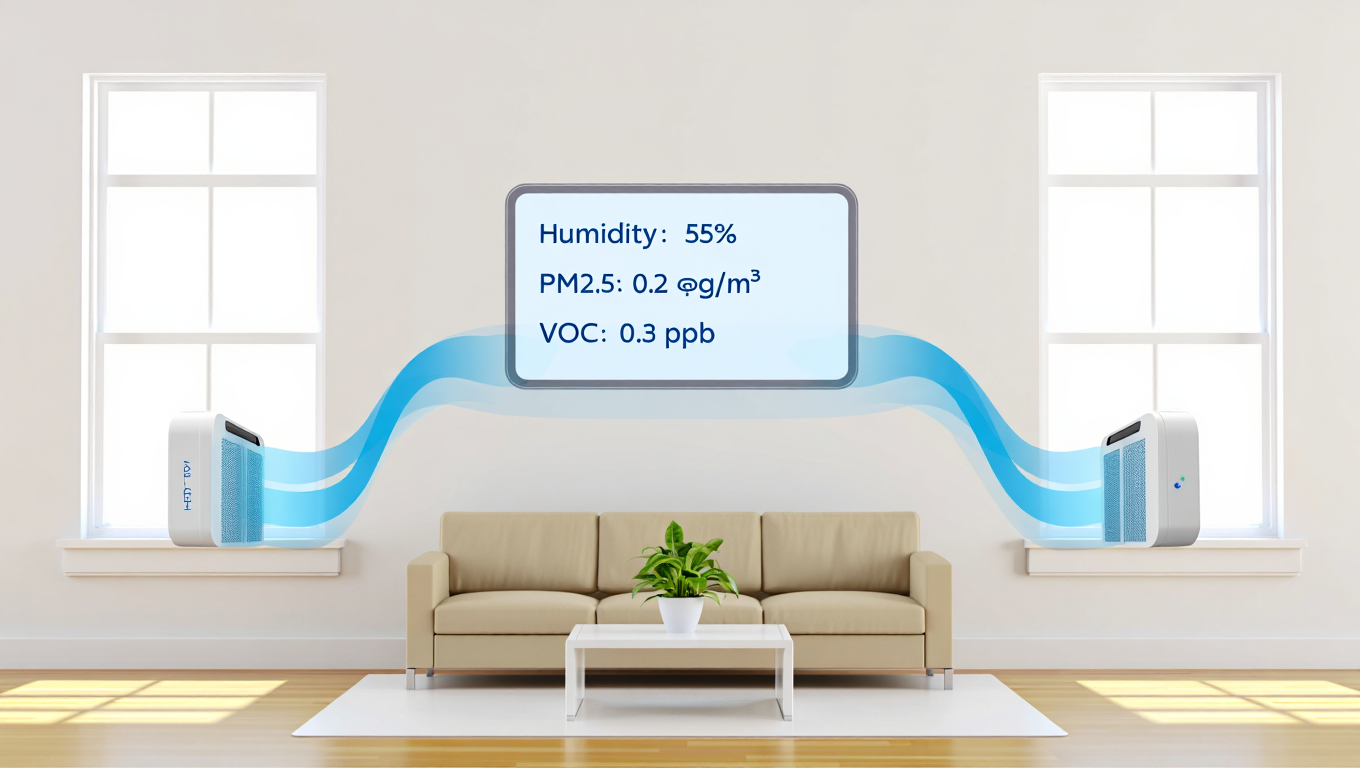
Fresh Air Ventilation Is Becoming More Important
Modern homes are tighter than ever.
While improved insulation reduces energy use, it also limits natural ventilation.
Many builders now incorporate:
ERVs (Energy Recovery Ventilators)
HRVs (Heat Recovery Ventilators)
Dedicated fresh-air systems
These systems improve indoor air quality but require coordination with the HVAC equipment.
SmartZone includes built-in fresh-air control capabilities, allowing ventilation systems to operate without requiring additional control panels in many applications.
The Contractor Advantage
Contractors are seeing more homeowners ask specifically for heat pumps.
Many are replacing aging furnaces with dual-fuel systems or all-electric solutions.
Offering zoning alongside a heat pump installation provides several benefits:
Better comfort
Greater customer satisfaction
Reduced comfort complaints
Improved system performance
Higher perceived value
Instead of selling only new equipment, contractors deliver an entire comfort solution.
Satisfied homeowners are also more likely to recommend contractors who solved uneven temperatures that existed for years.
Heat Pumps Are Here to Stay
The HVAC industry has experienced many technology shifts over the decades.
Electronic ignition replaced standing pilot lights.
Variable-speed blowers replaced PSC motors.
Smart thermostats became mainstream.
The rapid growth of heat pumps is another major milestone.
Whether driven by efficiency, technology improvements, utility costs, or homeowner preference, the trend is unmistakable.
Industry shipment data continues to show heat pumps gaining market share over traditional gas furnaces, and manufacturers continue investing heavily in new heat pump technologies.
As more homeowners choose heat pumps, the importance of proper airflow management becomes even greater.
The Future of Comfort Is Intelligent Control
Installing a high-efficiency heat pump is only part of the equation.
Without proper airflow management, even the best HVAC equipment cannot eliminate hot and cold spots throughout a home.
That's why zoning continues to grow alongside heat pump adoption.
A quality zoning system helps homeowners get the maximum benefit from their HVAC investment while improving comfort, reducing wasted energy, and allowing every room to receive the attention it deserves.
For contractors installing today's heat pumps, pairing them with a modern zoning controller like Ecojay SmartZone isn't simply an upgrade—it's one of the smartest ways to unlock the full potential of the system.
References
For readers who want to explore the underlying market data: